• Lynx – major report on cross-sector discussions outlines key issues and recommendations for Scotland

    Lynx – major report on cross-sector discussions outlines key issues and recommendations for Scotland

    100-page analysis of stakeholder views relating to potential reintroduction of lynx to Scottish Highlands.

    A major new 100-page report provides the most detailed analysis yet of what a lynx reintroduction project in Scotland would need to do to ensure lynx and people could coexist. 

    It outlines conclusions and recommendations agreed by a nine-month national discussion involving a diverse, cross-sector range of 53 stakeholders including farmer and landowner organisations, gamekeepers, foresters, tourism operators and conservationists. 

    The National Lynx Discussion, held between May and November last year and organised by the Lynx to Scotland partnership, was independently facilitated by an expert from the International Union for the Conservation of Nature (IUCN) Conservation Planning Specialist Group.

    Steve Micklewright, chief executive of Trees for Life and member of the stakeholder group, said: “We met 12 times for over 50 hours in total. Deep and extensive discussions allowed us to learn lessons from lynx reintroductions in Europe, assess possible impacts if lynx are returned to Scotland, and recommend key actions to avoid or manage potential problems.

    “While not everyone who took part supports the return of lynx, we now have a clear understanding of what needs to be put in place if a reintroduction is to happen. The Lynx to Scotland partnership must now work out if and how the recommendations can be delivered, and take that out to local consultation when we have clear proposals.”

    Together the group worked through barriers and concerns identified in a previous social feasibility study into lynx reintroduction, including around sheep farming, as well as concerns about possible impacts on forestry operations and lowland deer. Conclusions were agreed by consensus, without committing to support for a reintroduction.

    The stakeholders concluded there is plenty of suitable woodland and natural prey for a viable population of lynx to be established in the Highlands. They identified positive economic benefits, mainly through eco-tourism, and agreed that some endangered wildlife might benefit due to lynx taking smaller predators, especially foxes.

    They concluded lynx would take sheep in Scotland, could take game birds such as pheasants, and might affect forestry operations due to lynx having protected species status. The most likely and challenging impacts could be to sheep farming, and this was a major topic of discussion throughout the process.

    Lynx should not be thought of as a ‘silver bullet’ to provide natural deer control, but could complement other methods of managing deer numbers. Upland red deer stalking interests should be little affected.

    Reintroduction could offer wellbeing benefits by returning a sense of wildness to the landscape, and hope for tackling the nature and climate emergencies.

    Stakeholder group member Andrew Bauer, who has experience of species reintroduction policy in Scotland, said: “Our recommendations aim to address the fact that we agreed there could be negative impacts on some rural livelihoods if lynx were reintroduced without proper checks and balances to prevent problems or manage them.”

    The group agreed it would be crucial to collaborate with all stakeholders throughout any reintroduction project, especially local communities.

    Recommendations on sheep predation include payments for losses and coexistence, and a funded rapid response system so that any farmers experiencing sheep predation could be assisted to prevent it from recurring if possible. 

    Game birds are unlikely to be the preferred food of lynx, but there could be possible localised impacts, the group concluded. Any project should have the funding and resources to assist gamekeepers in deterring lynx from taking game birds if it occurred.

    Jamie Copsey of the IUCN Conservation Planning Specialist Group, who facilitated the National Lynx Discussion, said: “I carry out these sorts of discussions throughout the world, and we make progress by focusing on facts and evidence, and listening to and respecting differing viewpoints, values and concerns. That approach has been central to this initiative.”

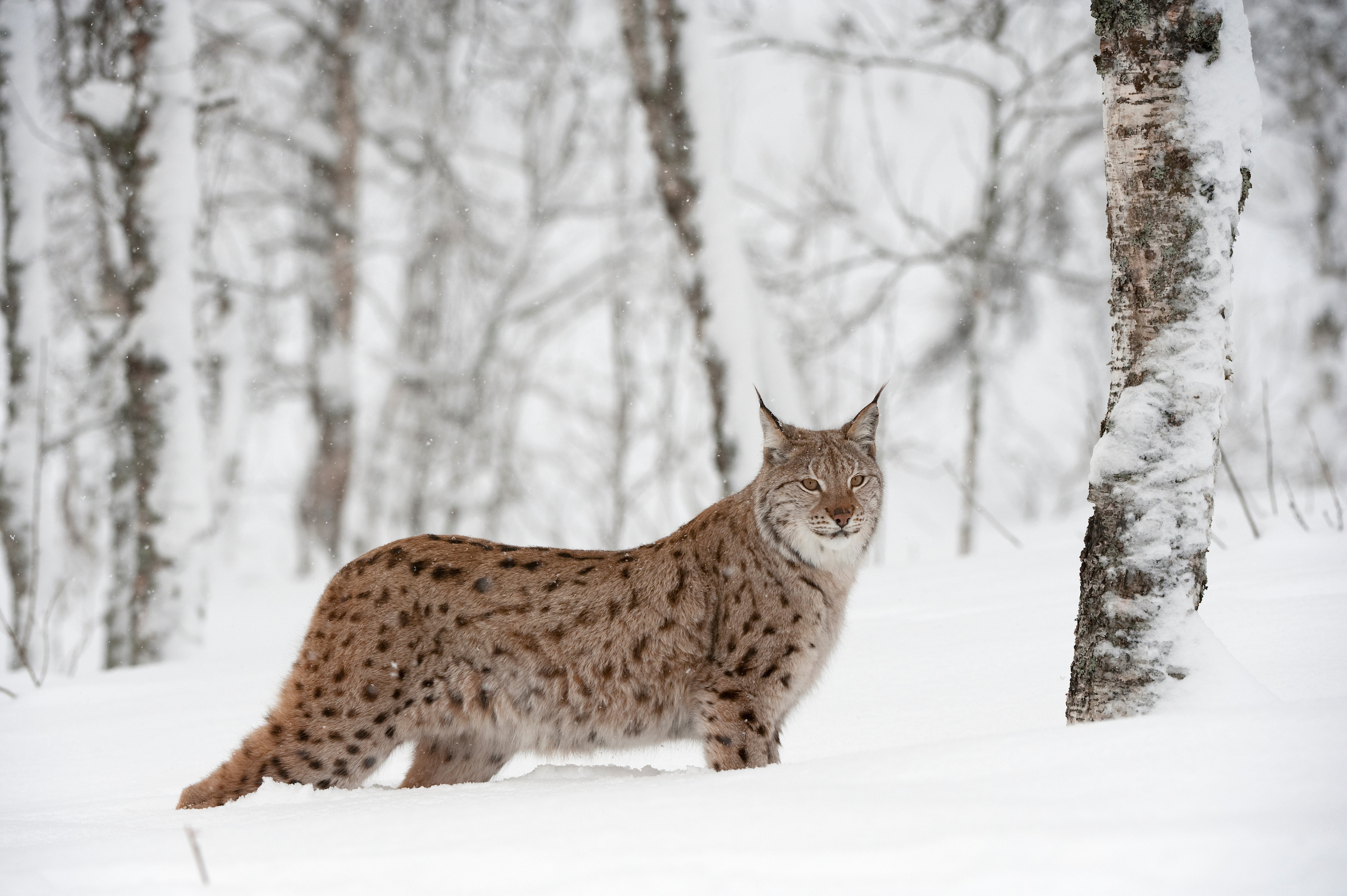
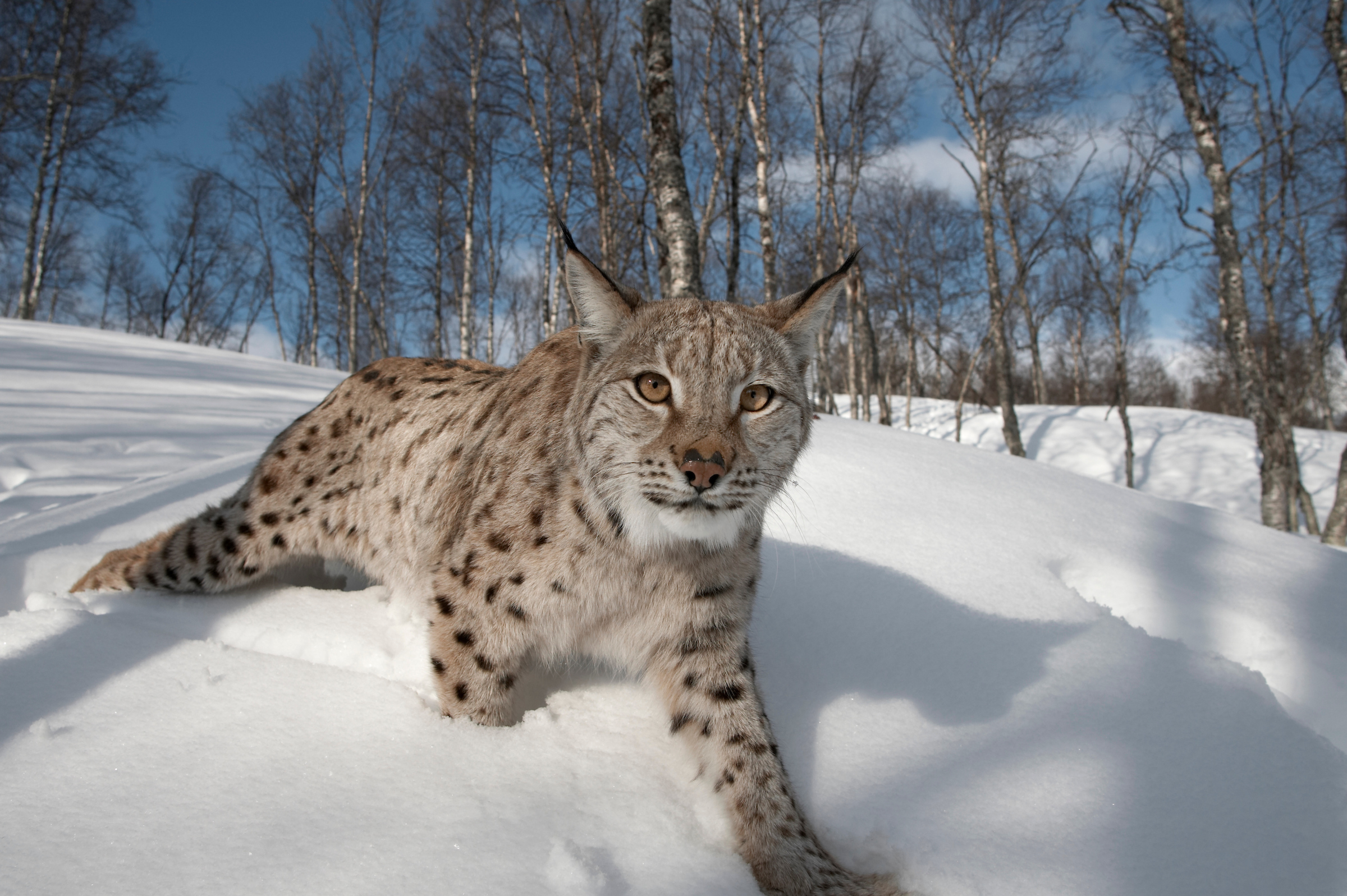
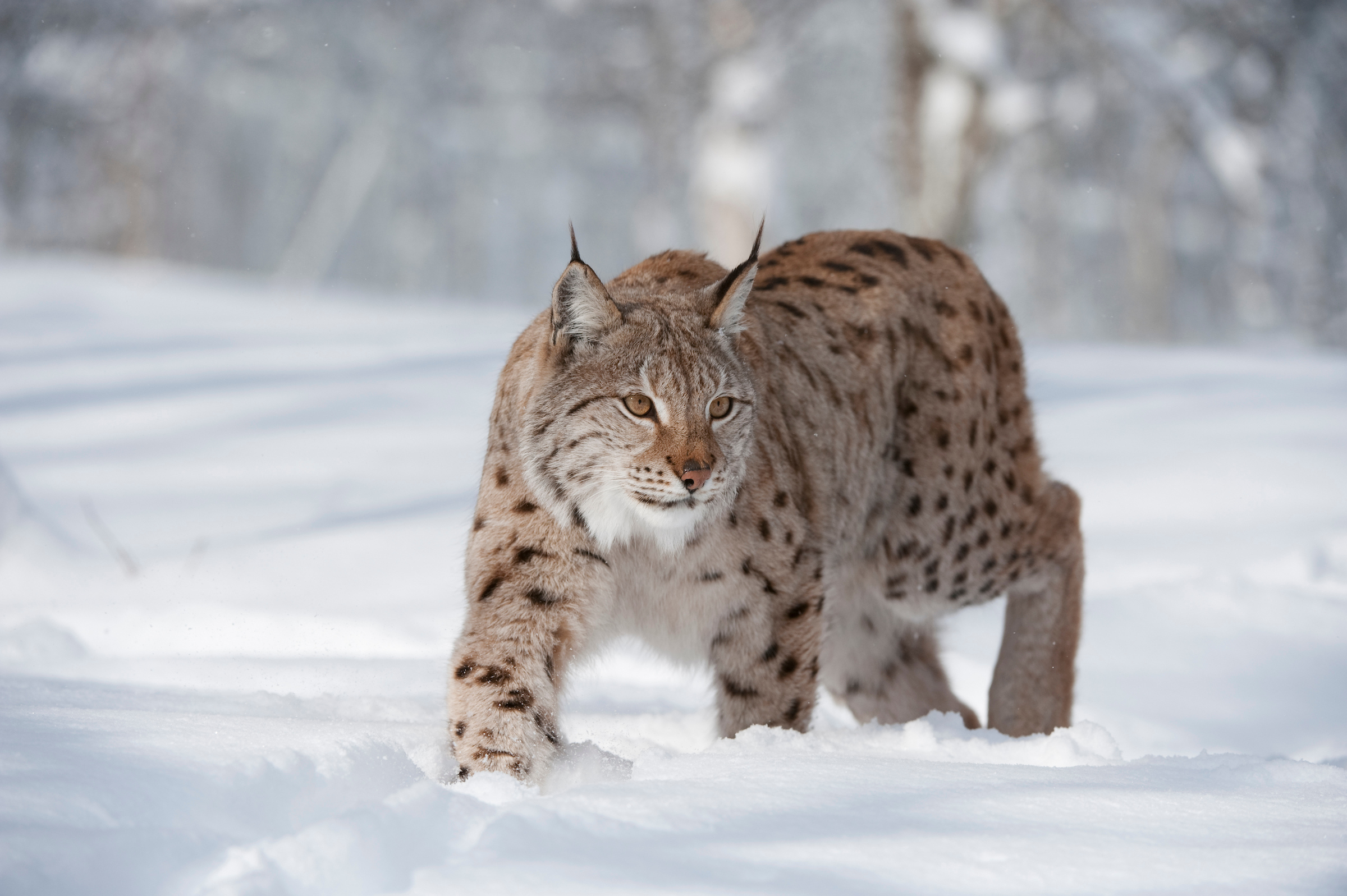
    Elusive and charismatic, the labrador-sized, forest-dwelling lynx mainly preys on deer and poses no threat to humans.

    Lynx are recovering across Europe with the help of successful, well-planned reintroductions. Scotland – where hunting and habitat loss drove lynx to extinction in the Middle Ages – remains one of the few countries of the cat’s former range from which it is still missing.

    Any lynx reintroduction would require Scottish Government approval, following ecological assessments and a full public consultation.

    Lynx to Scotland is a partnership between Trees for Life, SCOTLAND: The Big Picture and The Lifescape Project. The new report – ‘Scotland’s national lynx discussion: Stakeholder views on key topics related to a potential reintroduction of the Eurasian lynx to the Scottish Highlands’ – is available at www.scotlandbigpicture.com/lynx-to-scotland.
     
    This is a Lynx to Scotland press release.

  • Lynx watch: Swiss study tour explores the realities of a reintroduction

    Lynx watch: Swiss study tour explores the realities of a reintroduction

    While January’s unlicensed abandonment of lynx in the Cairngorms continues to generate headlines, a study tour to Switzerland reveals valuable lessons for Scotland.

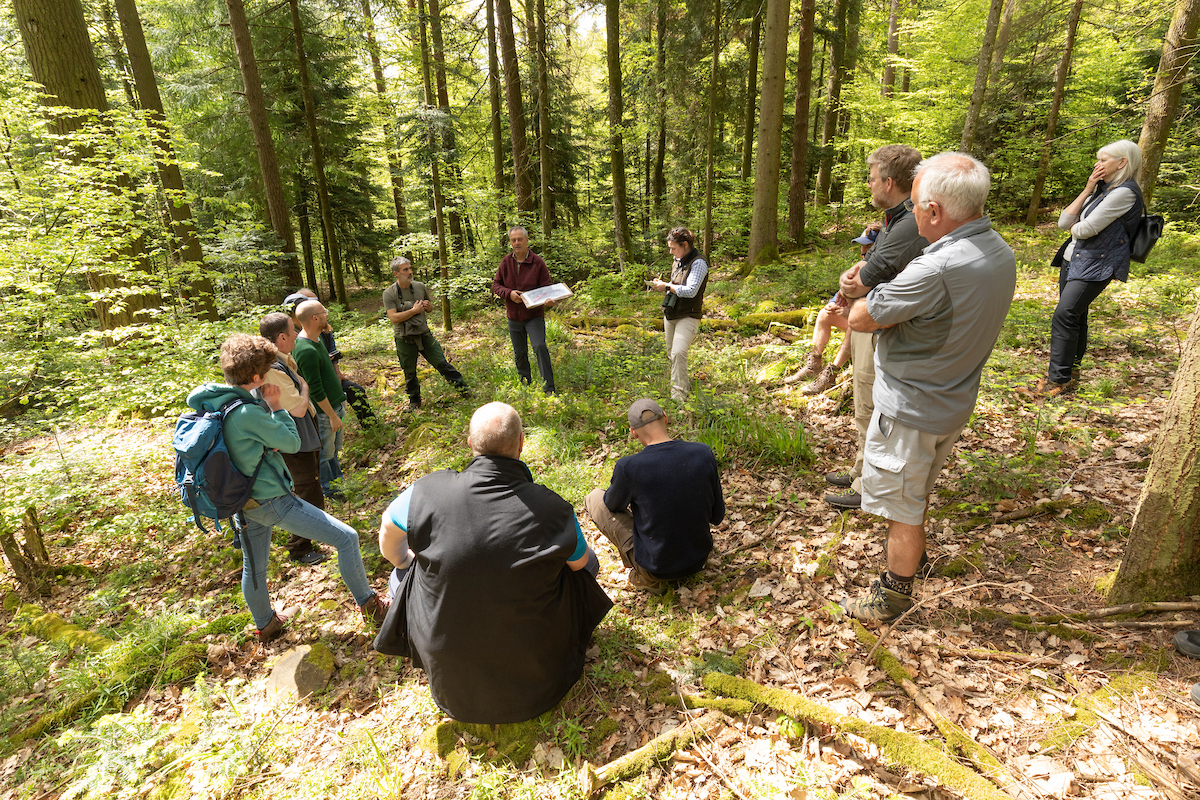
    To explore what it might be like to coexist with lynx, the Lynx to Scotland project escorted stakeholders from the farming, shooting and forestry sectors, together with representatives from the Cairngorms National Park, on a fact-finding mission to the Swiss Jura region last year. The group’s report of this study tour is published today, revealing their key insights from the trip.

    Like Scotland, Switzerland is home to a mix of habitats, with an almost identical area of woodland and similarly abundant wild prey. Sheep in the Swiss Jura are often kept in fields without attendant shepherds, just as they are across much of Scotland, making comparisons with Switzerland especially useful.

    The visit highlighted to the group how coexisting with lynx can be both easier and more complicated than is often imagined. The lynx was revealed to be more adaptable than previously thought, allaying concerns about Scotland’s ecological suitability. But the different nature of sheep farming in Scotland – and the far greater number of sheep – were still concerns for attendees who were otherwise impressed by the relatively limited number of lynx-livestock conflicts in Switzerland.

    One attendee reflected that ‘…the size of the Scottish sheep flock and the way it’s managed means the challenge of lynx predation would be greater in Scotland.’ However, despite similar reservations, another felt that  ‘…a Swiss-style reintroduction and conflict management structure could work in Scotland [with a] modernisation of wildlife conflict management and a change in culture.’

    Study tour guide, Hugh Webster, who manages rewilding relations for SCOTLAND: The Big Picture, said: ‘The recent illegal release of lynx in the Highlands has sparked debate over the return of this missing native species, and also underlined the risks of unlawful action, raising concerns about animal welfare, legal processes and the importance of consultation. A responsibly planned and licensed reintroduction, built on respectful dialogue and trust, is the only way to ensure that any future reintroduction is a success for both nature and people.’

    Switzerland reintroduced their lynx over 50 years ago, with over 200 animals now roaming landscapes that still support traditional livestock farming. The Swiss wildlife management model offers useful lessons as Scotland considers how coexistence could best be achieved, following a potential reintroduction here.

    ENDS

    Notes to editors

    • The report is available here: https://www.scotlandbigpicture.com//Images/2025/02/LTS-study-tour-report-v3.pdf
    • The report describes the history of Switzerland’s lynx reintroduction, lessons from their experience, and the group’s interactions with Swiss farmers, hunters and foresters. The report was reviewed and agreed by all who travelled with the group in a spirit of transparency and collaboration.
    • The Lynx to Scotland project is a partnership between SCOTLAND: the Big Picture, Trees for Life and the Lifescape Project, who together are seeking to return lynx to the Scottish Highlands, through a carefully managed reintroduction. For more information visit: https://www.scotlandbigpicture.com/lynx-to-scotland
    • SCOTLAND: The Big Picture is a charity working to make rewilding happen across Scotland, as a solution to the growing climate and biodiversity crises. For more information visit: https://www.scotlandbigpicture.com/home
  • First Minister’s refusal to consider lynx reintroduction ‘out of step’ with public opinion

    First Minister’s refusal to consider lynx reintroduction ‘out of step’ with public opinion

    An open letter has been sent to Scotland’s First Minister, supported by 20 organisations, questioning John Swinney’s judgement in dismissing the return of lynx out of hand and highlighting the surge in public support revealed by a new poll.

    The publication of a new opinion poll today indicates surging public support for the reintroduction of lynx to Scotland.

    The poll coincides with an open letter that has been sent to the First Minister supported by 20 organisations questioning John Swinney’s judgement in dismissing the return of lynx out of hand.

    An opinion poll conducted by Survation in January for the Lynx to Scotland Partnership shows that support for the return of lynx to Scotland has increased to 61% – a rise of nine points since the last such survey in 2020, most likely due to growing public awareness of the species and its benefits. Just 13% of respondents were opposed – a drop of six points.

    Steve Micklewright, chief executive of Trees for Life, one of the charities involved, said: ‘This poll shows that growing numbers of Scots want to see lynx reintroduced and understand that the benefits of their return outweigh any problems they might cause.

    ‘A carefully managed lynx reintroduction would make Scotland’s natural world richer and stronger, providing wider benefits for biodiversity, climate resilience and economic prosperity.’

    Lynx are a ‘keystone species’ which play a vital role in maintaining healthy living systems, and biodiversity is negatively affected by their absence. Research shows the Highlands has the habitat to sustainably support around 250 lynx. The species’ reintroduction would require Scottish Government approval, following habitat assessments and a full public consultation.

    The lynx is an elusive, forest-dwelling labrador-sized feline that mainly preys on deer and poses no threat to humans. Lynx were driven to extinction in Scotland due to hunting and habitat loss in the Middle Ages. They are recovering across Europe with the help of successful, well-planned reintroductions.

    The open letter to the First Minister calls into question his judgement in dismissing lynx reintroduction when speaking at the recent National Farmers Union Scotland Conference. At the conference, Mr Swinney said: ‘My government will not be reintroducing lynx, or indeed any other large carnivorous species, in Scotland.’

    The letter questions the First Minister’s commitment to tackling the nature emergency, and highlights the environmental, climate and economic benefits of reintroduced species.

    The signatories ask why Scotland cannot live with lynx when other countries coexist with much more challenging animals like lions and tigers. It also highlights the extensive and long-term work being done by the Lynx to Scotland Partnership to understand the concerns of stakeholders and how potential problems could be managed.

    Peter Cairns, head of rewilding at SCOTLAND: The Big Picture, said: ‘Last month’s abandonment of lynx in the Cairngorms was reckless, and such acts are certainly not the way to achieve the return of a lost species to Scotland. But none of us can understand why this has led the First Minister to rush to turn his back on any proposal that could reintroduce this important species in a sensible and well-managed way.

    ‘Considering the surging support for the return of lynx, and the efforts being made to ensure that this would be done properly in line with best practice, the First Minister appears out of step with public opinion, and we urge him to reconsider his position.’

    The Lynx to Scotland partners are SCOTLAND: The Big Picture, Trees for Life and The Lifescape Project. For more information, see www.scotlandbigpicture.com/lynx-to-scotland.

    ENDS

    Notes to editors

    • 2025 Survation polling: Fieldwork dates 17-27 January 2025; population sampled – all residents aged 16+ living in Scotland; sample size 2,014. Respondents were asked: ‘Following the sighting and capture of four lynx in Cairngorms National Park in January 2025, there has been renewed attention on the species’ potential return to Scotland. The lynx, a medium-sized wild cat, contributes to healthy ecosystems, but was driven to extinction in Scotland due to human activity hundreds of years ago. To what extent do you support or oppose the legal reintroduction of lynx to Scotland?’ Results including ‘don’t knows’: 61% support; 13% oppose; 20% neither support or oppose; 6% don’t know. Support for lynx reintroduction rose nine points since the last survey in 2020; opposition to a reintroduction has dropped by six points since 2020.
    • 2020 Survation polling: Fieldwork Dates – 28 October-3 November 2020; population sampled – all residents aged 16+ living in Scotland; sample size 1,071.
    • John Swinney quote to NFUS Conferencegov.scot/publications/new-deal-for-agriculture-nfus-first-ministers-speech/