
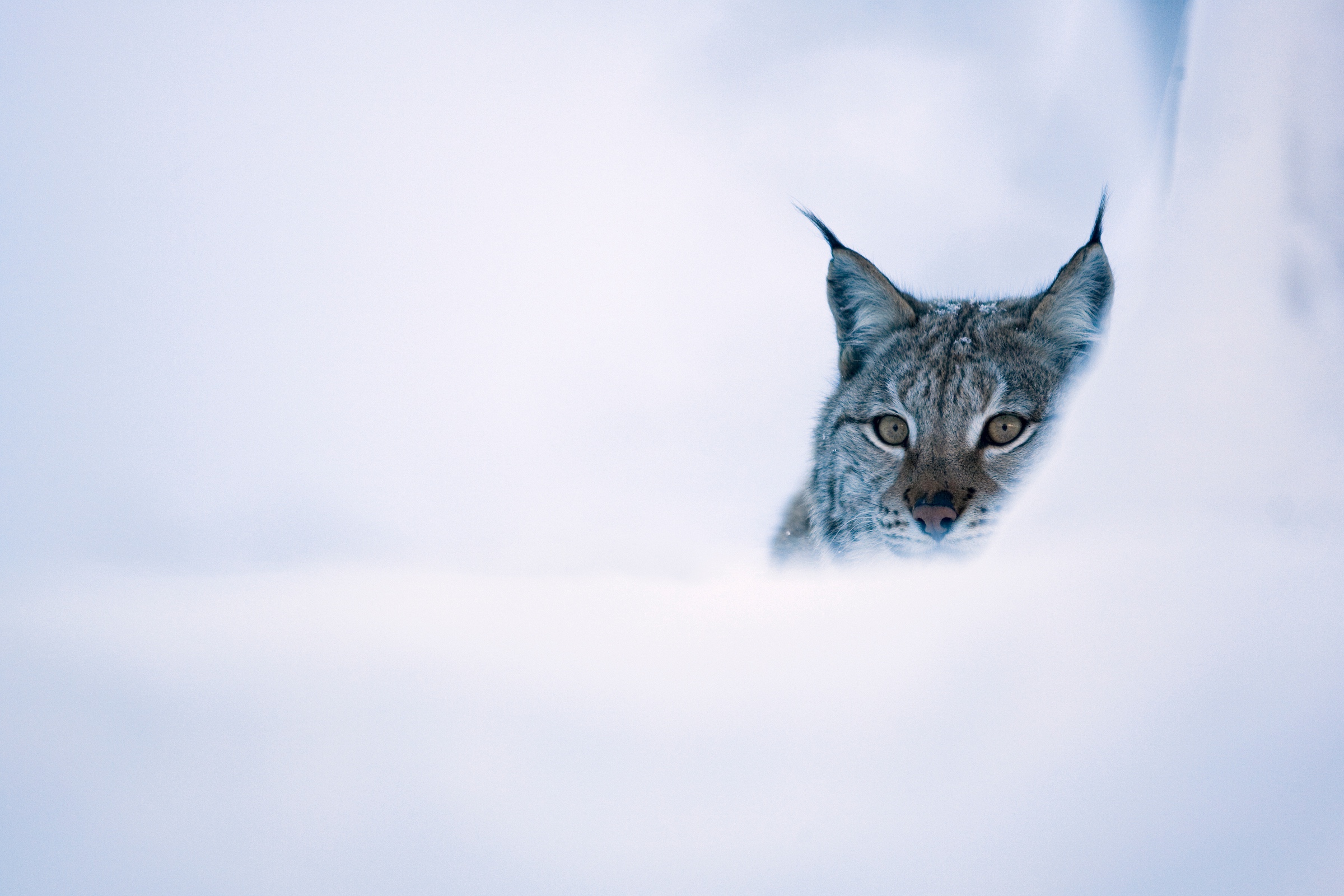
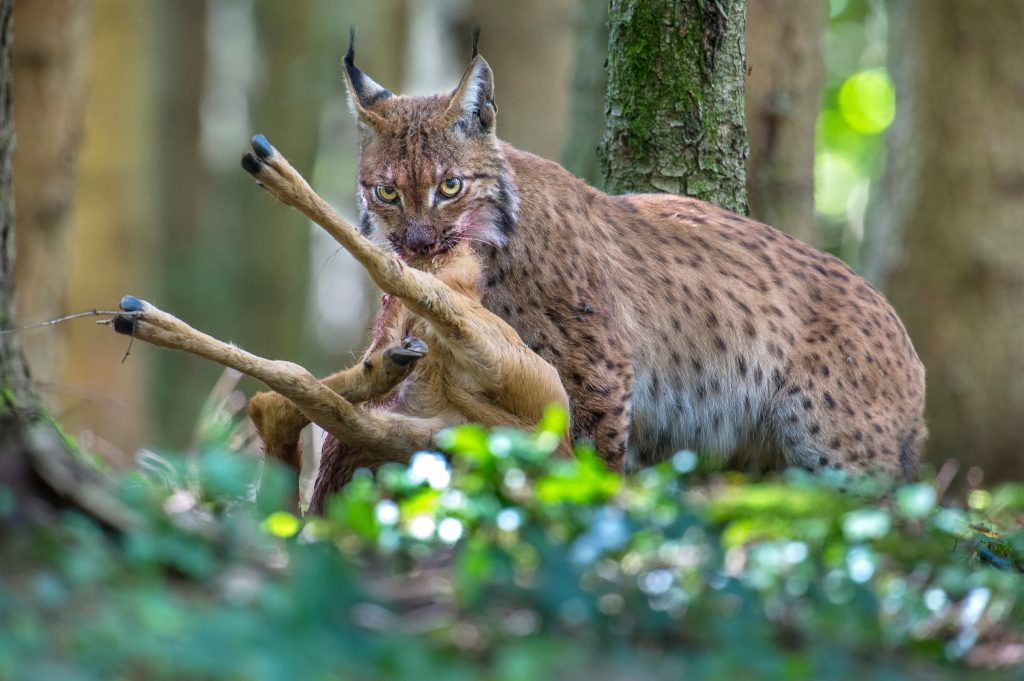
Across mainland Europe, the Eurasian lynx is staging a comeback, benefiting from increasing public interest and reduced hunting pressure. Lynx continue to face localised threats from poaching, fragmented habitats and the isolation of some smaller populations. Overall though, the population is growing and expanding its range, helped by a growing number of successful reintroduction programmes across western Europe.
The Lynx to Scotland partnership is working to return lynx to northern Scotland through a carefully managed reintroduction. This would be the first time that a large mammalian predator has been returned to any part of the UK. It would require approval by the Scottish Government, following habitat assessments and full public consultation.
THE STORY SO FAR
Since 2020, we’ve been exploring whether Eurasian lynx could return to the Scottish landscape. Here’s a summary of what’s happened so far:
Using public engagement events and educational resources, Lynx to Scotland has been working to improve understanding of the potential benefits and challenges of living with these shy and elusive hunters, which have already successfully returned to countries such as Germany, France and Switzerland.
Centuries have passed since the lynx was driven to extinction in the UK, leaving most of us unfamiliar with what it means to share our modern lives with a native large carnivore.
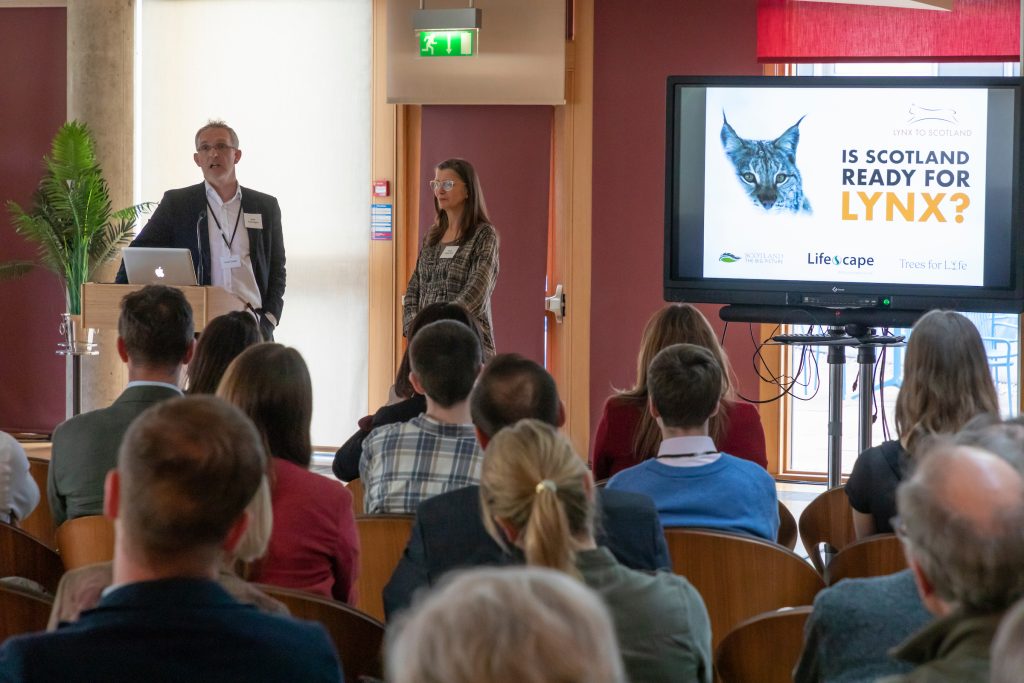
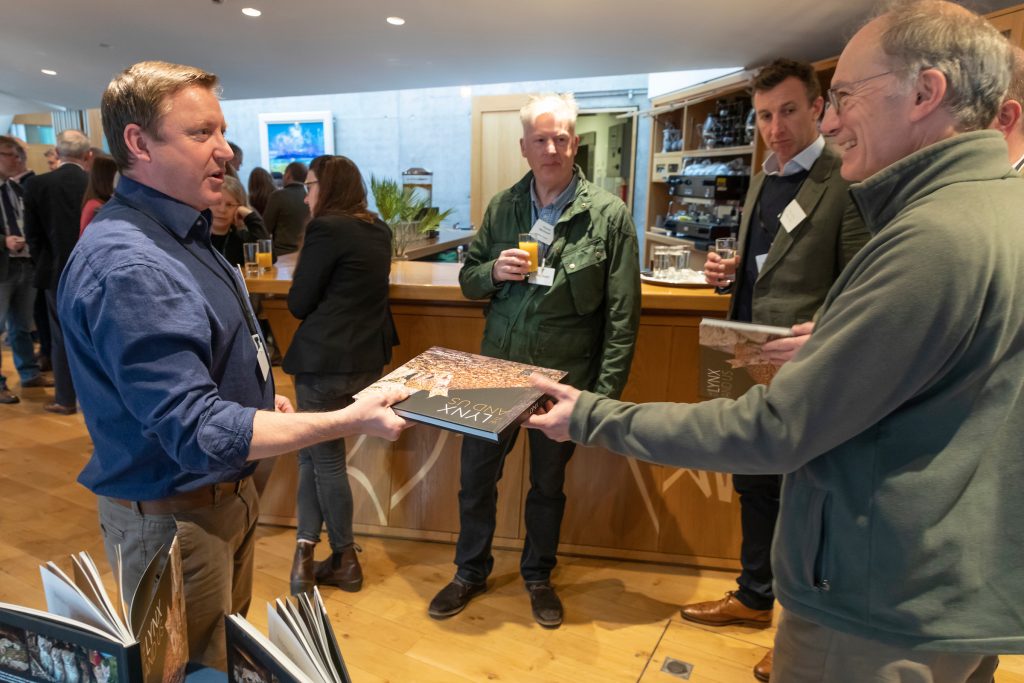
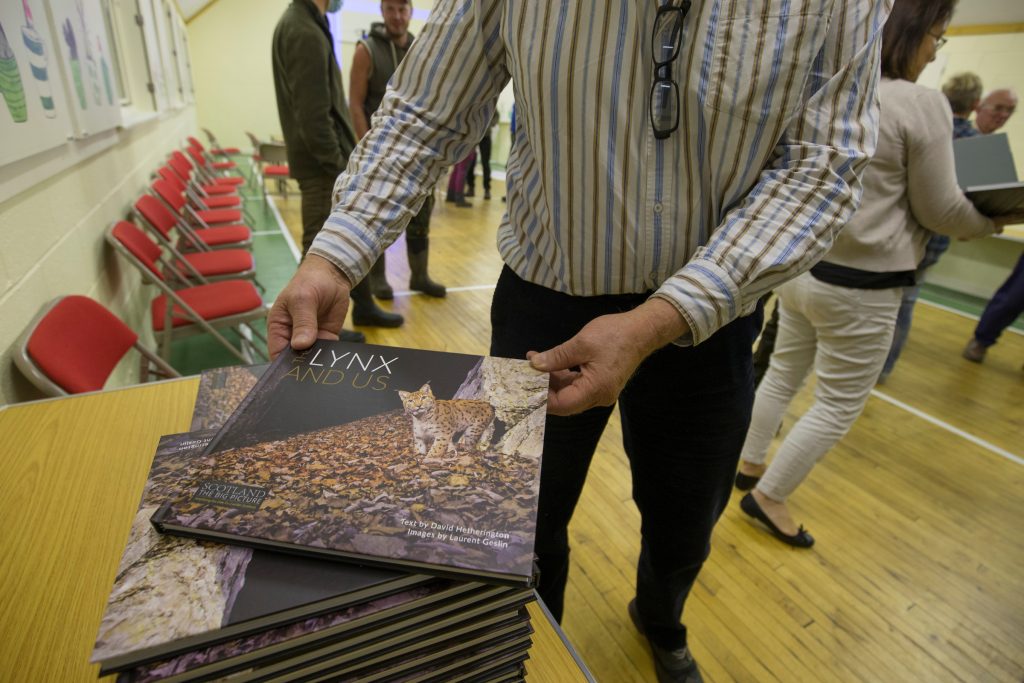
2020-present – Improving public knowledge
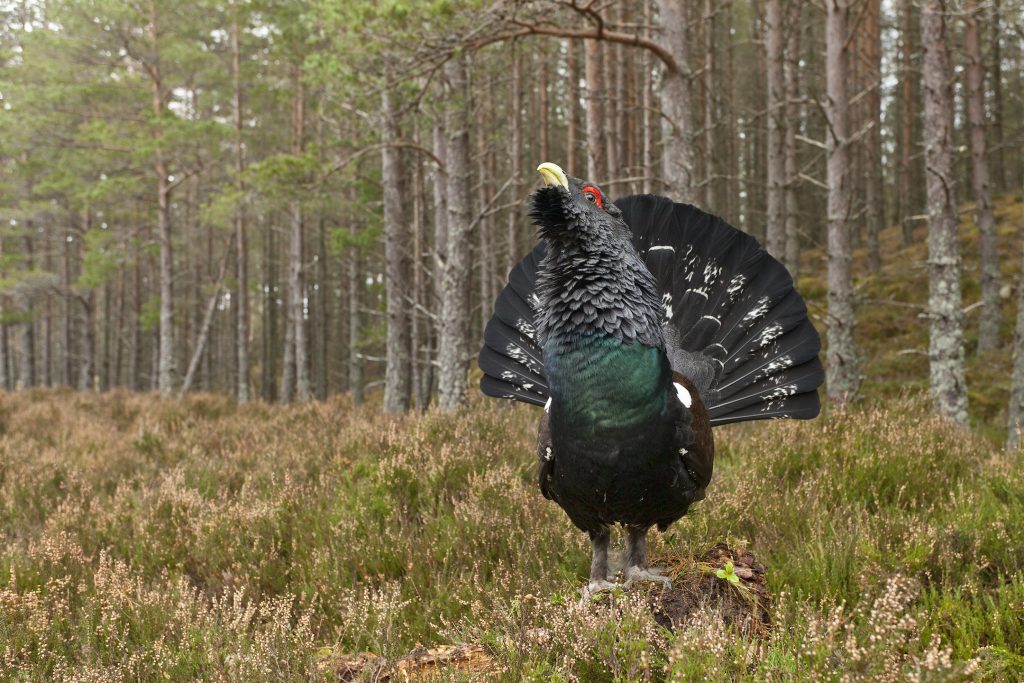
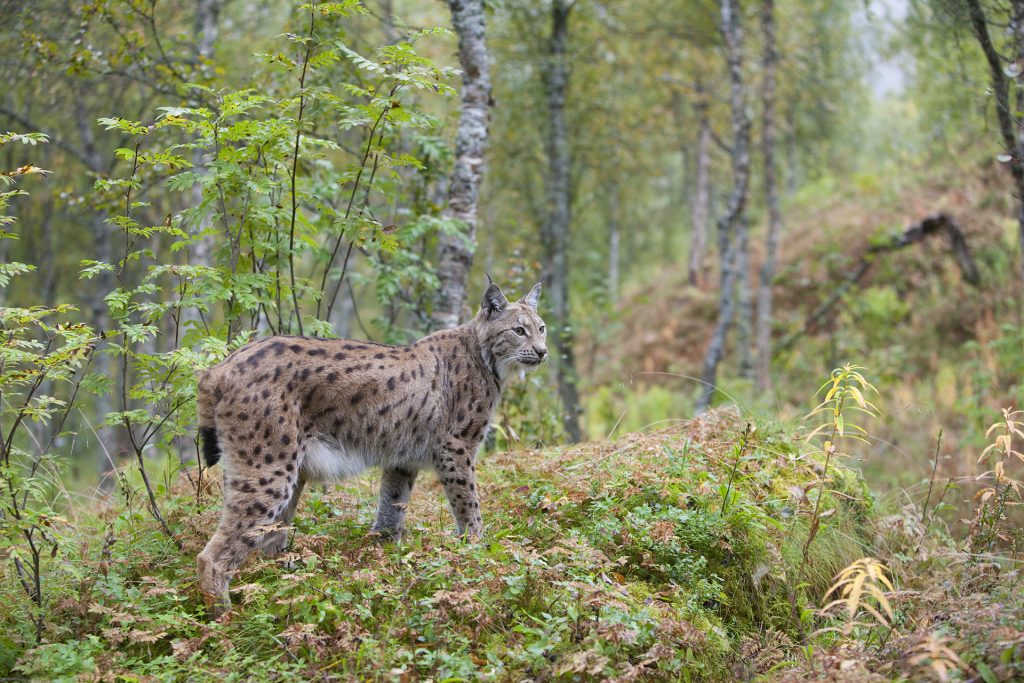
Lynx to Scotland commissioned advanced modelling to consider the current extent of suitable lynx habitat, availability of wild prey and the dispersal range of any animals released. These models built on previous scientific studies that assessed the conditions needed to sustain a viable lynx population and Scotland’s capacity to support a viable population.
A licence for a reintroduction would also take account of practical considerations, such as the most suitable release site(s), how many lynx will be needed and where the animals might come from.
All of these questions, and others, form part of the requirements of the Scottish Code for Conservation Translocations.
2020-present – Evaluating ecological conditions
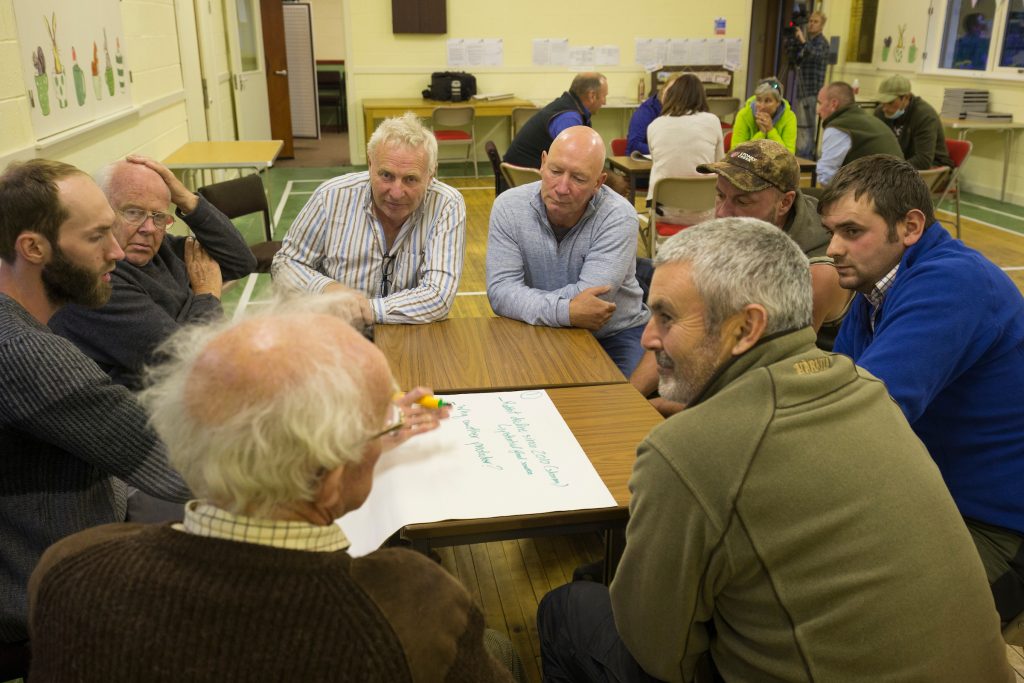
To gauge the feasibility of the lynx’s return, Lynx to Scotland commissioned a comprehensive assessment of public and stakeholder attitudes to a possible reintroduction, and this study was carried out independently by the Vincent Wildlife Trust.
The study sampled opinions from farmers, gamekeepers, foresters, conservationists, landowners, tourism operators and rural communities, revealing a broad spectrum of perspectives. However, it also found a common appetite from a diverse range of stakeholders and communities to learn more and examine whether potential barriers to a reintroduction might be overcome. The findings were carried forward to a Lynx Focus Group who committed to an extensive national stakeholder consultation.


2021 – Identifying key concerns
During 2024, Lynx to Scotland convened a cross-sectoral group of national stakeholders to objectively assess the concerns that were identified by the VWT study in 2021, and to discuss the potential benefits and challenges of a lynx reintroduction to the Scottish Highlands.
53 institutional representatives participated in Scotland’s National Lynx Discussion, facilitated by the IUCN SSC Conservation Planning Specialist Group (CPSG). Using European evidence and local expertise, these stakeholders agreed a set of statements and recommendations on the questions set out by the VWT study. These statements are not endorsements of a lynx reintroduction. Rather, they highlight areas of agreement on potential impacts and the kinds of management that might be needed if lynx were to return.
2024 – Addressing stakeholder concerns
In Spring 2024, Lynx to Scotland invited a group of farmers, hunters and other stakeholders to join a study tour to Switzerland, where lynx were reintroduced in the 1970s. Delegates were introduced to researchers, hunters, foresters and sheep farmers to find out how the Swiss manage coexistence with large predators, including lynx.
2024 – Swiss study tour
In 2025, the Slovenia Forest Service invited Lynx to Scotland partners to visit Slovenia, to learn how the country manages coexistence with its many large carnivores, share ideas and discuss best practice.
2025 – Slovenia study tour
The Lynx to Scotland partnership will carry out further consultation with stakeholders in 2026, to increase public understanding and collaborate on solutions to the potential challenges of coexistence.
2026 – Local information sessions
project partners